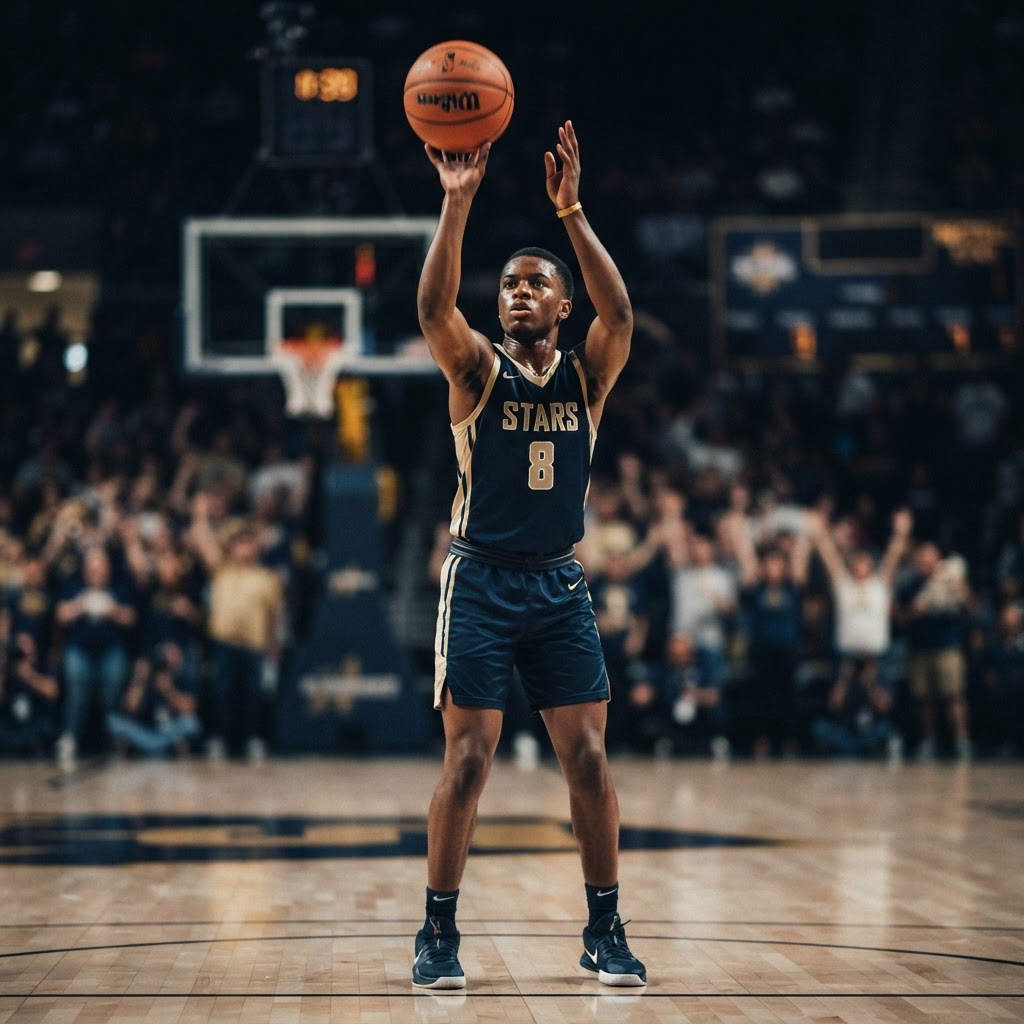

The Hidden Mental Health Crisis in Youth Sports
Youth sports in America have never been more competitive — or more demanding. Between club teams, travel schedules, private coaching, and the relentless pressure to earn a scholarship or a roster spot, young athletes today carry a mental load that previous generations never experienced.
And the data is troubling. According to growing research in sport psychology, a significant percentage of adolescent athletes report symptoms of anxiety, depression, or chronic stress directly tied to their athletic participation. Many never speak up. They push through, normalize the exhaustion, and eventually walk away from the sport entirely — sometimes worse off than when they started.
The Pressure Pipeline
The modern youth sports ecosystem is built on a promise: train harder, specialize earlier, and you will reach the next level. But that pipeline rarely accounts for the psychological cost. By age 13, an estimated 70% of kids drop out of organized sports. Burnout, fear of failure, and a loss of joy are the leading drivers.
"We have professionalized a childhood experience and then wondered why our kids are anxious, exhausted, and quitting."
Parents often do not realize that the signs of a mental health struggle in a young athlete look different than they do in adults. An athlete may not say "I am depressed." Instead, you might notice:
- A sudden drop in performance or motivation
- Irritability, withdrawal, or mood swings after practices
- Physical complaints with no clear medical cause — headaches, stomachaches, fatigue
- A growing dread of competition or a desire to avoid the sport
- Sleep disruption or changes in appetite
Why Athletes Hide the Struggle
The culture of sport rewards toughness. From a young age, athletes are taught to play through pain, to never show weakness, to treat every setback as a character test. This messaging is powerful and, in moderation, useful. But it also creates a wall: athletes learn that admitting emotional struggle is the same as admitting failure.
Coaches and parents, often with the best intentions, reinforce this by praising "mental toughness" while missing the difference between resilience and suppression. True mental toughness is not the absence of struggle — it is the ability to acknowledge, manage, and grow through it.
What Parents Can Do
If you are the parent of a competitive young athlete, you are the most important variable in their mental health. Here is where to start:
Listen more than you coach. The car ride home after a game should not be a film session. Ask how they felt, not how they performed. Let them lead the conversation.
Separate identity from outcome. Make sure your athlete knows your love and approval are not conditional on their results. The fastest path to burnout is the belief that worth is tied to winning.
Watch the schedule. A kid who plays one sport year-round with no off-season is a burnout case waiting to happen. The body and mind both need recovery.
Normalize professional support. Just as you would not hesitate to see a specialist for a physical injury, treating the mental side of performance with a sport psychology professional should feel routine — not stigmatized.
A Path Forward
At In the Zone Sport Psychology, we believe mental health and mental performance are two sides of the same coin. A mentally healthy athlete is a higher-performing athlete. Through confidential, virtual sessions, we help young athletes, families, and coaches build the emotional skills that sustain both performance and well-being — long after the final whistle.
If you are concerned about your athlete, reach out. Early support changes trajectories.
Ready to Strengthen Your Athlete's Mental Game?
Connect with a sport psychology professional through secure virtual sessions.
Book a Consultation