How Self-Talk Shapes Athletic Performance: Evidence From Sport Psychology
The Voice Inside the Athlete's Head
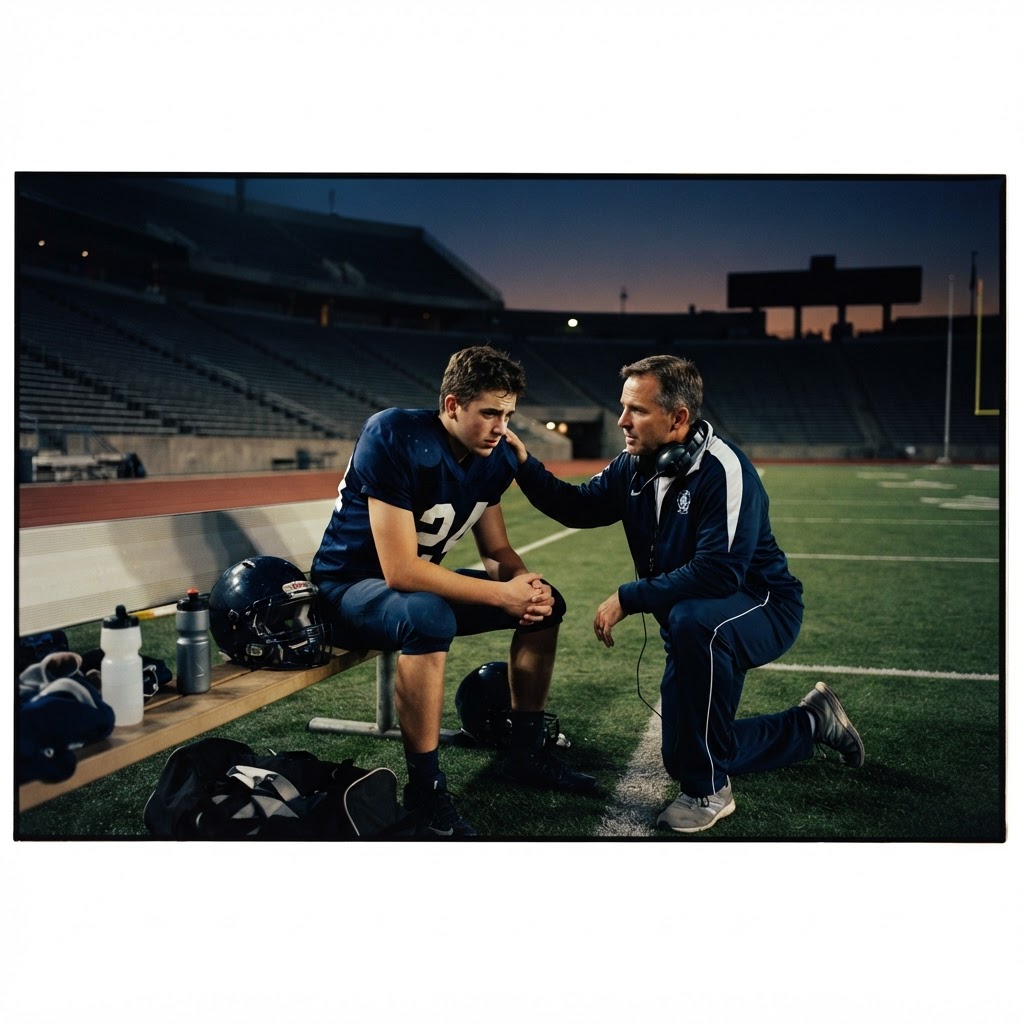
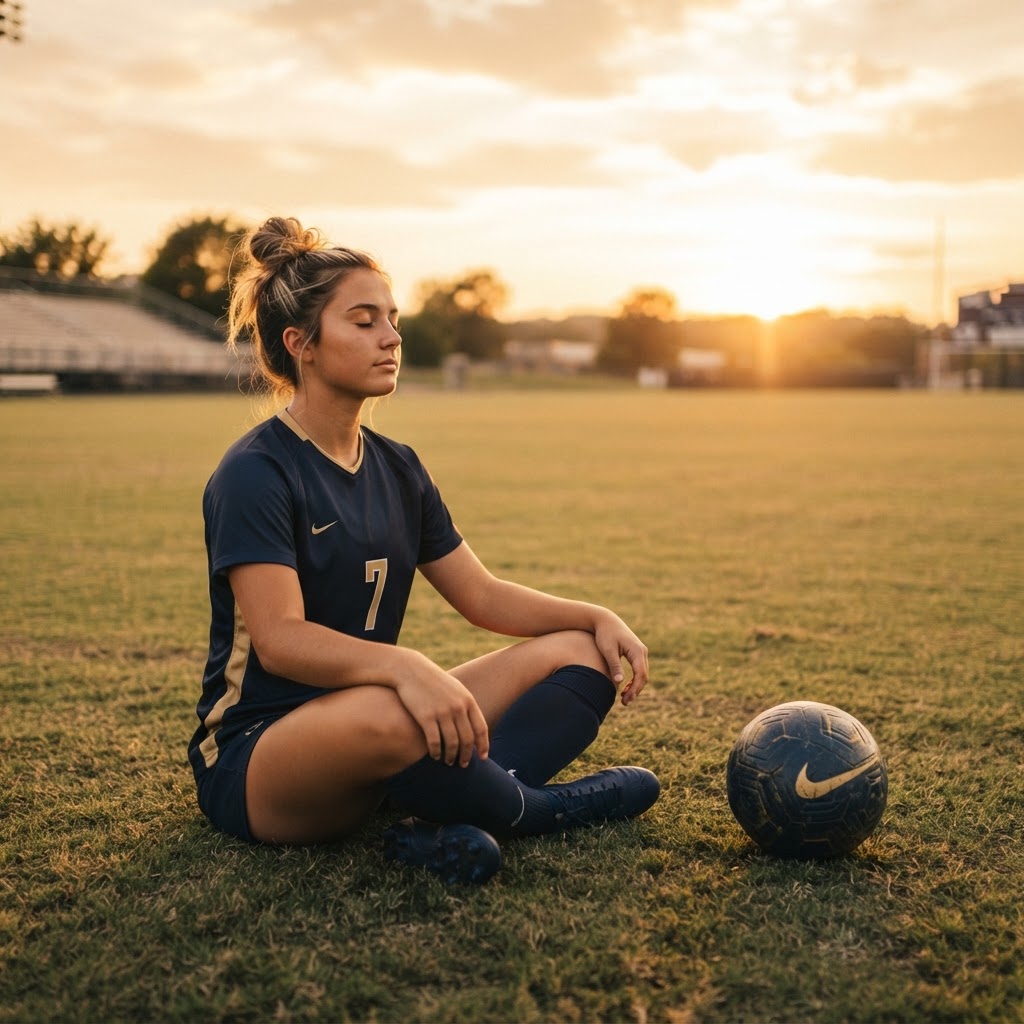
Every athlete has an internal monologue. It runs during practice, before competitions, and especially after mistakes. In sport psychology, this internal dialogue has a name: self-talk. And the research on it is remarkably consistent — what athletes say to themselves affects how they perform.
A comprehensive meta-analysis on self-talk and sports performance found that self-talk interventions produce a meaningful, positive effect on athletic performance across sports and skill levels [1]. The evidence is strong enough that self-talk training is now considered a core mental skills technique in applied sport psychology.
Positive vs. Negative Self-Talk
Research distinguishes between two broad categories of self-talk:
- Positive self-talk — phrases like "I can do this," "stay focused," or "trust your training"
- Negative self-talk — phrases like "you always mess this up," "I can't," or expressions of frustration
A study published in the National Library of Medicine (PMC7429435) examining the effects of self-talk on shooting athletes' motivation found that increased positive self-talk was associated with greater effort and motivation [2]. The researchers noted that positive self-talk improves performance-related motivation, increases self-confidence, helps control attention, regulates anxiety, and assists in preparation.
The same body of research shows that negative self-talk — the kind that creeps in after an error or during a slump — can actively undermine performance. Importantly, studies have found that the negative effects of self-talk can be reduced through cognitive restructuring and thought-stopping techniques, where athletes learn to recognize and redirect unhelpful internal dialogue [2].
Instructional vs. Motivational Self-Talk
Not all positive self-talk works the same way. Researchers have identified two functional types:
- Instructional self-talk — cues focused on technique and execution (e.g., "keep your elbow in," "follow through"). This tends to be most effective for precision and technical tasks.
- Motivational self-talk — cues focused on effort, confidence, and emotional regulation (e.g., "you've got this," "push hard"). This tends to be most effective for endurance and strength-based tasks.
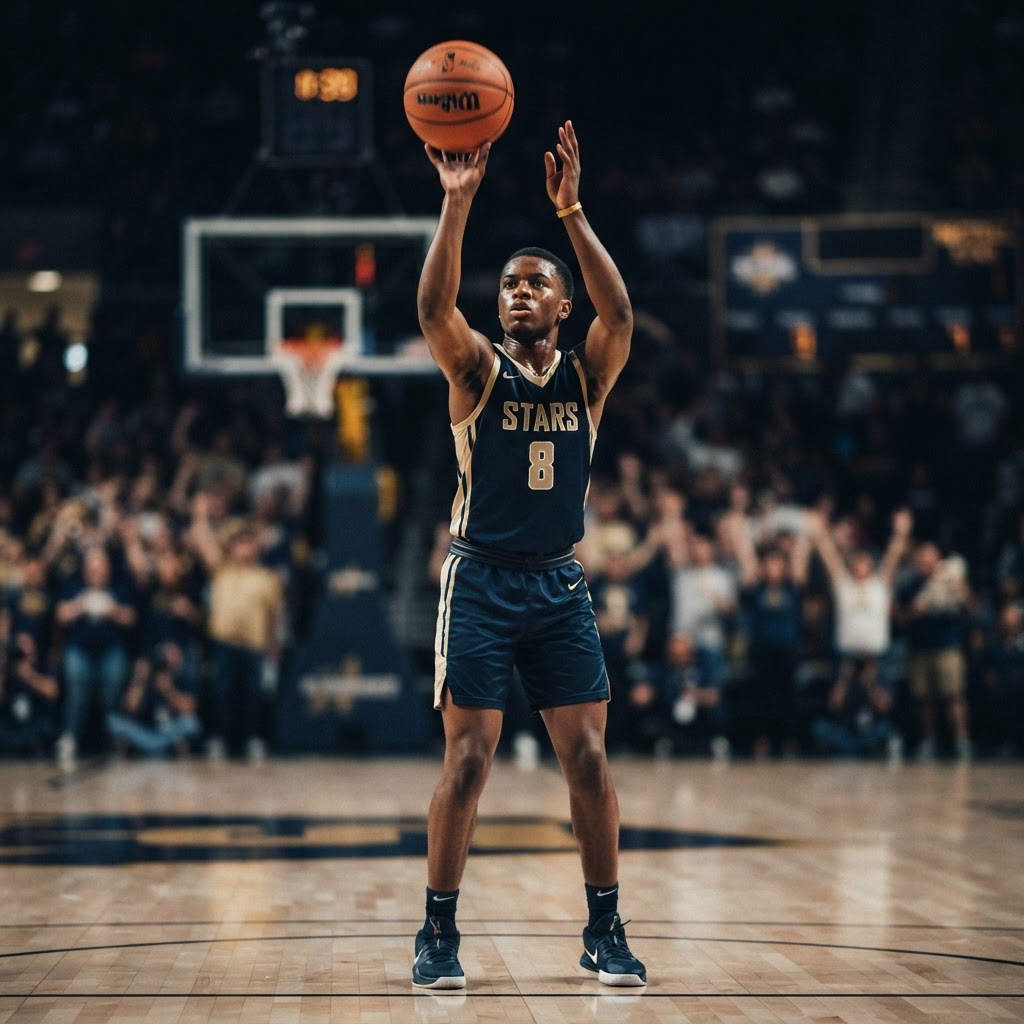
Understanding this distinction matters. Telling a young basketball player "you can do it" before a free throw may help with confidence, but a specific instructional cue like "eyes on the rim, follow through" may be more effective for the technical execution itself.
Why Experienced Athletes Use More Self-Talk
An interesting finding from the research: experienced athletes tend to use considerably more self-talk than inexperienced ones [2]. This isn't because they need it more — it's because they've learned, through years of competition, that structured internal dialogue helps them regulate attention, manage emotions, and trigger the right movements at the right moments.
This suggests self-talk is a skill that can be developed, not an innate trait. Young athletes can be taught to use it deliberately and effectively.
Practical Takeaways for Athletes and Parents
- Build a self-talk plan. Athletes should have 2–3 go-to phrases for competition — one instructional, one motivational.
- Catch and redirect negative self-talk. Awareness is the first step. Teach athletes to notice "I can't" and replace it with "I'm working on it."
- Match the cue to the task. Use instructional cues for technique, motivational cues for effort and confidence.
- Practice it like any other skill. Self-talk works best when it's rehearsed, not invented in the middle of a game.
References
[1] Hatzigeorgiadis, A., Zourbanos, N., Galanis, E., & Theodorakis, Y. (2011). Self-Talk and Sports Performance: A Meta-Analysis. Perspectives on Psychological Science. https://www.researchgate.net/publication/221689919_Self-Talk_and_Sports_Performance_A_Meta-Analysis
[2] The Effects of Self-Talk on Shooting Athletes' Motivation. National Library of Medicine (PMC7429435). https://pmc.ncbi.nlm.nih.gov/articles/PMC7429435/
Ready to Strengthen Your Athlete's Mental Game?
Connect with a sport psychology professional through secure virtual sessions.
Book a Consultation