Visualization and Mental Imagery: The Research Behind Peak Performance
More Than Just Daydreaming
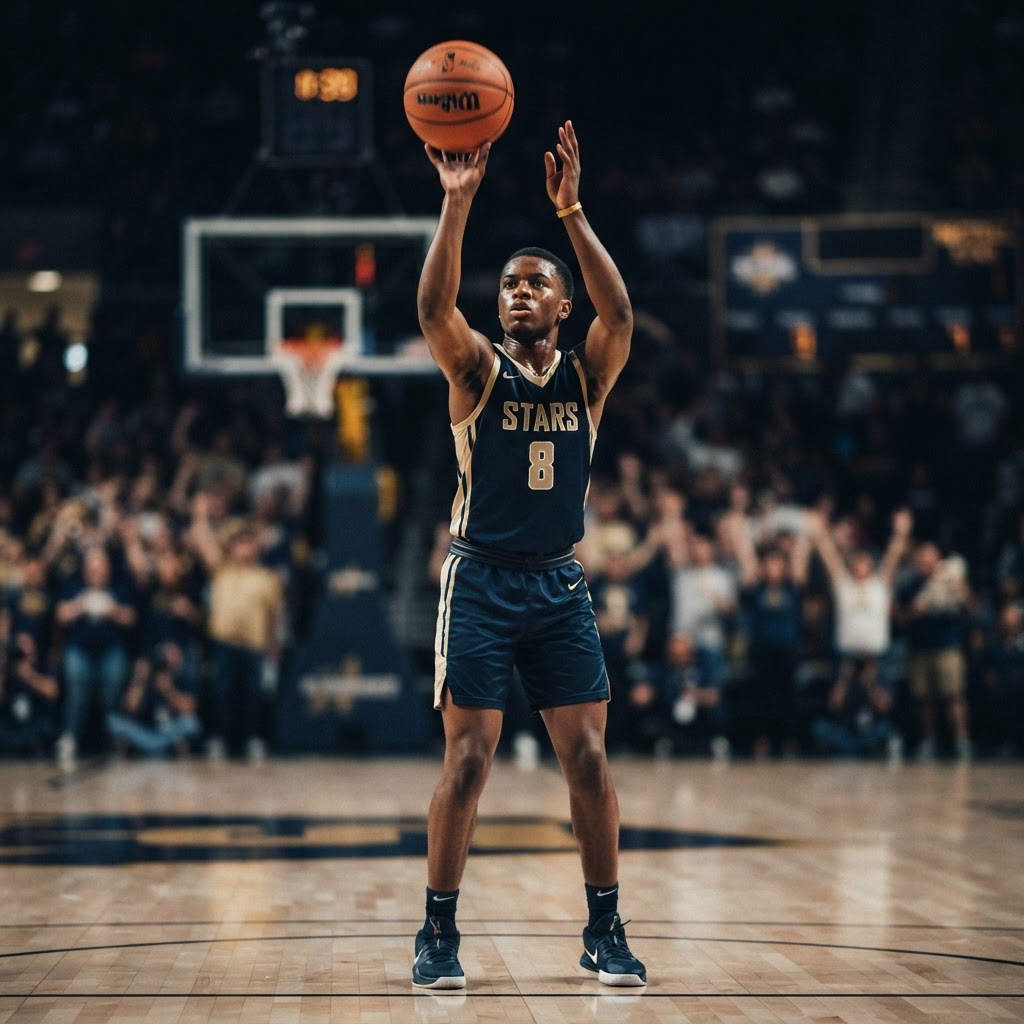
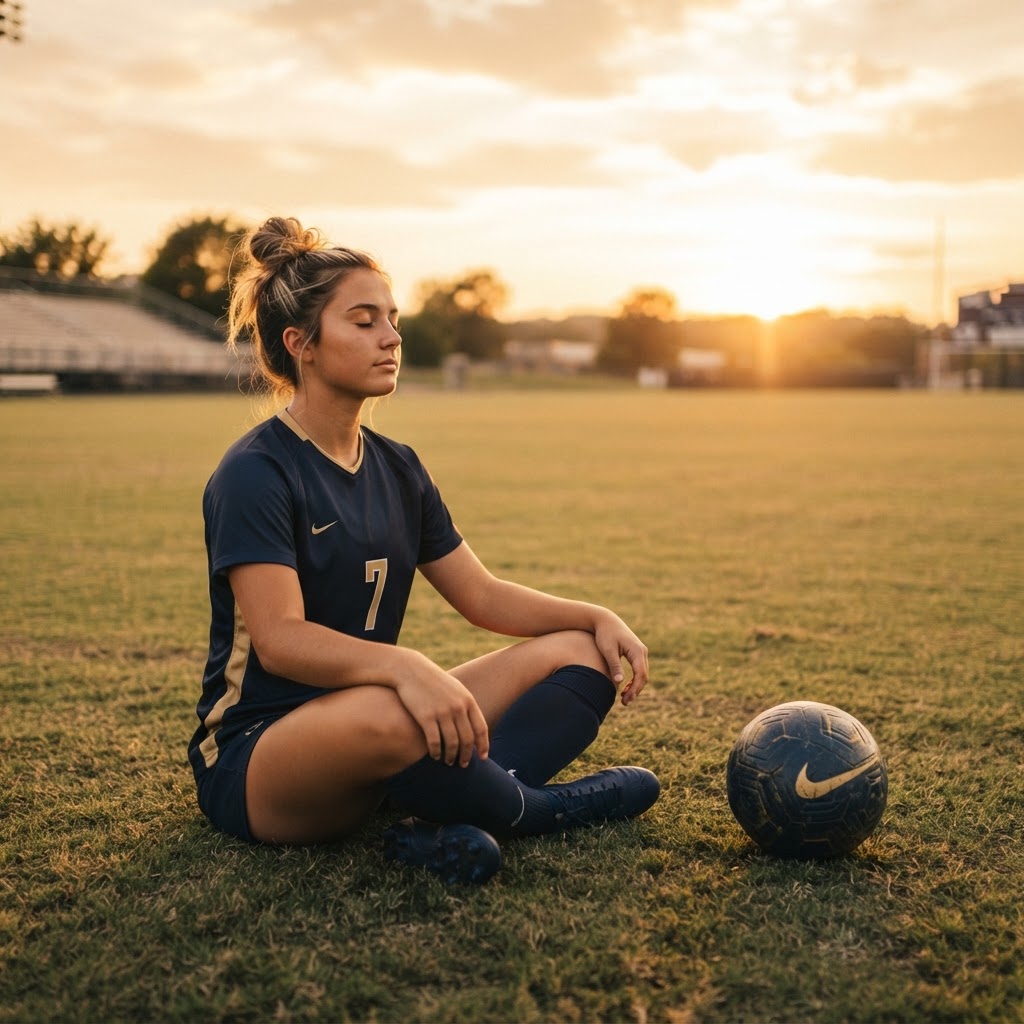
Mental imagery — the practice of vividly rehearsing a skill or scenario in the mind — is one of the most widely used and studied techniques in sport psychology. Athletes from virtually every sport use it: a gymnast visualizing a routine, a basketball player seeing the ball arc through the net, a soccer goalkeeper imagining the perfect dive.
But visualization isn't just a feel-good exercise. A multilevel meta-analysis published in the National Library of Medicine (PMC12109254), which synthesized results across numerous studies and sports, concluded that imagery practice has a genuine, statistically significant positive effect on athletic performance [1].
The Science: Why Mental Practice Works
Research has demonstrated that mental imagery engages the same neural pathways used during actual physical execution of a sport. When an athlete vividly imagines performing a movement, the brain activates motor areas in ways that resemble — though don't fully replicate — actual physical practice [2].
A systematic review on the benefits of guided imagery (PMC12021890) found that mental imagery training has proven effective for maintaining and improving athletic performance, particularly among pre-elite athletes — exactly the population that most youth competitive athletes fall into [2].
This means mental rehearsal isn't a replacement for physical practice, but a complement to it. The strongest effects come when imagery is combined with physical training, not used instead of it.
What Makes Imagery Effective? The PETTLEP Model
One of the most influential frameworks in imagery research is the PETTLEP model, which identifies the key elements that make mental rehearsal effective:
- Physical — replicate the physical state as closely as possible (same posture, even wearing the uniform)
- Environment — practice imagery in an environment similar to the competition setting
- Task — focus on the specific task being performed
- Timing — rehearse in real-time, not sped up or slowed down
- Learning — adapt the imagery as skills develop
- Emotion — include the emotional experience of competition
- Perspective — use the imagery perspective (first-person or third-person) that works best for the athlete
Research on PETTLEP-based imagery interventions has shown promising results across sports. A study published in the Journal of Imagery Research in Sport and Physical Activity found that a PETTLEP imagery intervention improved soccer goalkeepers' spatial anticipation during penalty kicks [1].
Imagery for Young Athletes
For youth athletes, imagery serves several purposes:
- Skill acquisition — mentally rehearsing a new technique reinforces learning
- Anxiety management — visualizing successful performances reduces pre-competition anxiety
- Confidence building — repeated positive imagery builds self-belief
- Preparation — mentally walking through game scenarios builds readiness
Importantly, imagery is a skill itself. Young athletes often need guidance to create vivid, detailed, and accurate mental images rather than vague daydreams. The more sensory detail — what they see, hear, feel, and even smell — the more effective the rehearsal.
Practical Takeaways for Athletes and Parents
- Combine imagery with physical practice. The research is clear: imagery enhances, but doesn't replace, physical training.
- Make it vivid and specific. Vague visualization has weaker effects than detailed, sensory-rich imagery.
- Rehearse in real-time. Imagery that matches the actual pace of the skill is more effective.
- Use it before competition. A short imagery session before games can prime the mind and reduce anxiety.
- Be patient. Like any skill, imagery improves with practice over weeks, not days.
References
[1] The Effects of Imagery Practice on Athletes' Performance: A Multilevel Meta-Analysis with Systematic Review. National Library of Medicine (PMC12109254). https://pmc.ncbi.nlm.nih.gov/articles/PMC12109254/
[2] The Benefits of Guided Imagery on Athletic Performance. National Library of Medicine (PMC12021890). https://pmc.ncbi.nlm.nih.gov/articles/PMC12021890/
Ready to Strengthen Your Athlete's Mental Game?
Connect with a sport psychology professional through secure virtual sessions.
Book a Consultation