Mindfulness Training for Athletes: What the Science Actually Says
From Wellness Trend to Performance Tool
Mindfulness — the practice of non-judgmental, present-moment awareness — has moved far beyond its roots in meditation and wellness. In sport psychology, it's now the subject of rigorous research, and the findings are compelling enough that professional and Olympic programs worldwide have integrated mindfulness training into their mental performance protocols.
A systematic review and meta-analysis of randomized controlled trials, published in the National Library of Medicine (PMC9915077), examined the effects of mindfulness-based interventions on athletic performance and related factors. The review concluded that mindfulness-based interventions promote athletic performance and improve key psychological factors including focus, emotional regulation, and anxiety management [1].
What the Meta-Analyses Found
A separate meta-analysis published in Frontiers in Psychology (2024) analyzed the intervention effects of mindfulness training on athletes' performance across multiple studies and found significant positive effects. The research linked mindfulness training to reduced competition anxiety, improved focus, and lower risk of burnout [2].
What's notable about these findings is that they're based on randomized controlled trials — the gold standard in research design — not anecdotal reports. Athletes who underwent mindfulness interventions showed measurable improvements compared to control groups.
How Mindfulness Helps Athletes
The research identifies several mechanisms through which mindfulness enhances performance:
Improved Focus Under Pressure
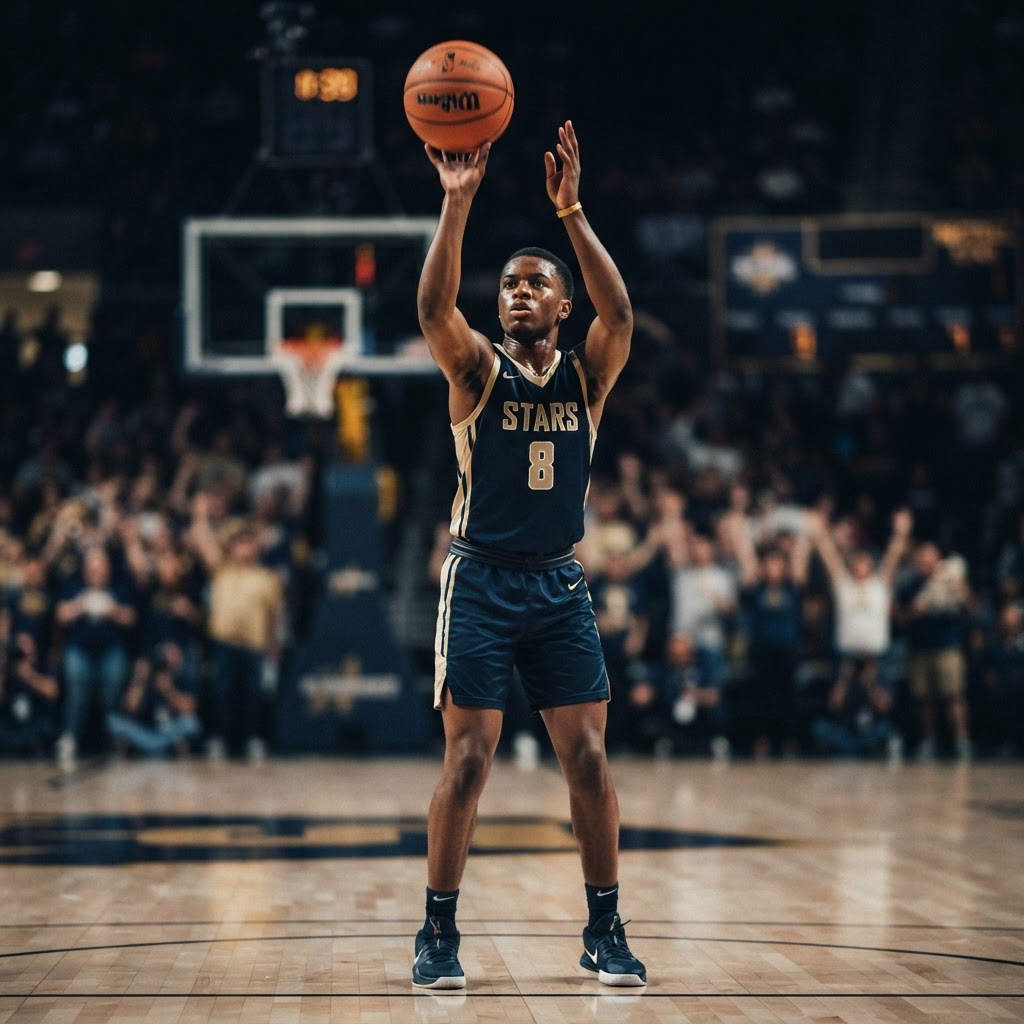
Competition is filled with distractions — the crowd, the opponent, the scoreboard, the fear of mistakes. Mindfulness trains the mind to notice distractions and return attention to the present moment, which is exactly what athletes need during high-pressure moments [2].
Reduced Performance Anxiety
Multiple studies in the meta-analyses found that mindfulness training reduces competition-induced anxiety. Rather than trying to suppress anxiety (which often makes it worse), mindfulness teaches athletes to observe it without being consumed by it [1][2].
Better Emotional Regulation
Athletes experience intense emotions during competition — frustration after a mistake, excitement after a good play, fear before a big moment. Mindfulness helps athletes experience these emotions without letting them hijack their performance [1].
Lower Burnout Risk
For young athletes who train year-round, burnout is a serious concern. Research suggests mindfulness may help by improving athletes' awareness and recovery, reducing the chronic stress that leads to burnout [2].
Mindfulness vs. Traditional Mental Skills
Traditional sport psychology often focuses on changing thoughts — replacing negative self-talk with positive self-talk, reframing anxiety as excitement. Mindfulness takes a different approach: it teaches athletes to observe thoughts and emotions without necessarily changing them, and to return attention to the present moment.
Both approaches have research support, and they're often complementary. An athlete might use self-talk strategies for specific performance cues while using mindfulness to manage the overall emotional landscape of competition.
Practical Takeaways for Athletes and Parents
- Start small. Even 5–10 minutes of daily mindfulness practice can produce benefits over time.
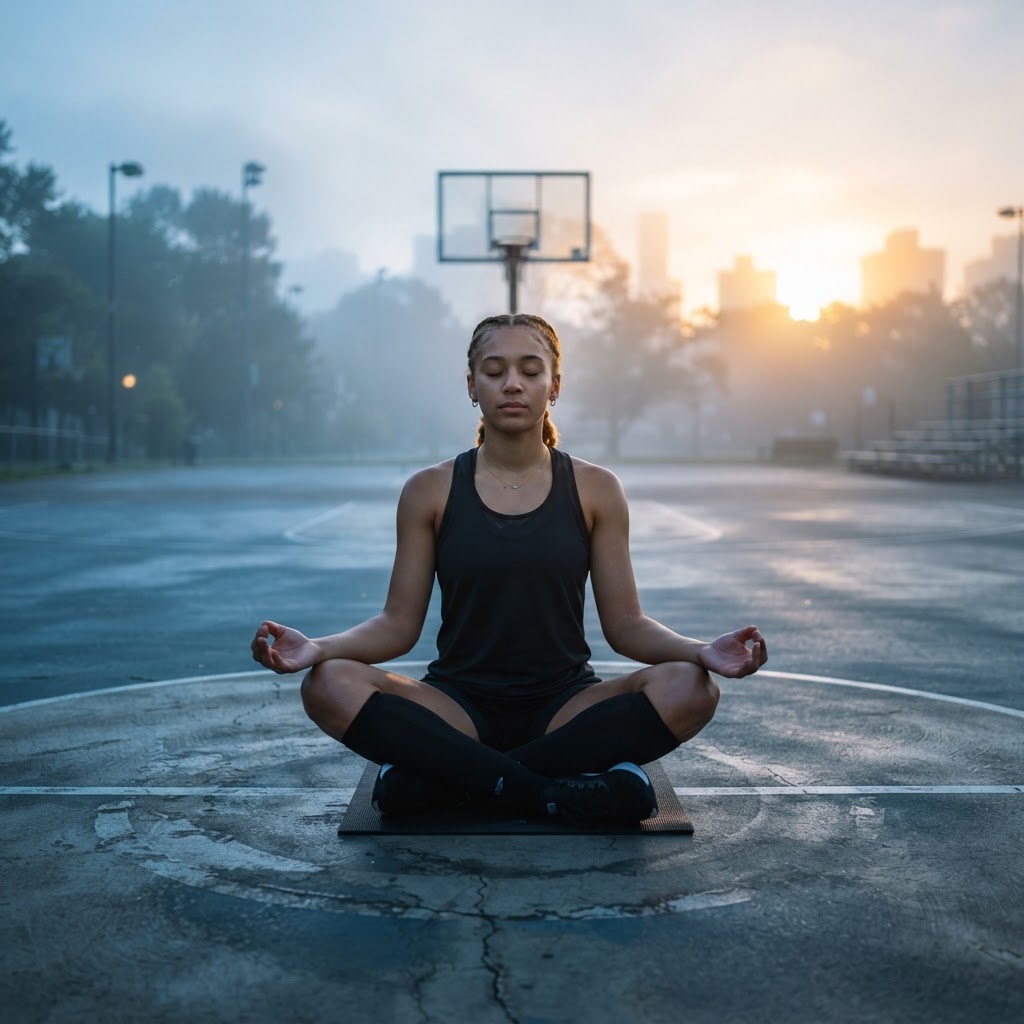
- Focus on the breath. The simplest mindfulness practice is paying attention to breathing — noticing when the mind wanders and gently returning.
- Use it in practice, not just competition. Mindfulness is a skill that builds with consistent practice.
- Don't expect instant results. The research shows effects build over weeks of regular practice.
- It's a complement, not a replacement. Mindfulness works alongside physical training, self-talk, and other mental skills.
At In the Zone Sport Psychology, we integrate evidence-based mindfulness practices into our mental performance training for youth athletes across California.
References
[1] Effects of Mindfulness-Based Interventions on Promoting Athletic Performance and Related Factors among Athletes: A Systematic Review and Meta-Analysis of Randomized Controlled Trials. National Library of Medicine (PMC9915077). https://pmc.ncbi.nlm.nih.gov/articles/PMC9915077/
[2] A Meta-Analysis of the Intervention Effect of Mindfulness Training on Athletes' Performance. Frontiers in Psychology (2024). https://www.frontiersin.org/journals/psychology/articles/10.3389/fpsyg.2024.1375608/full
Ready to Strengthen Your Athlete's Mental Game?
Connect with a sport psychology professional through secure virtual sessions.
Book a Consultation