
NIL Deals and the New Pressure Facing Student-Athletes
When the NCAA changed its rules to allow student-athletes to profit from their Name, Image, and Likeness (NIL), it was hailed as a long-overdue victory for athlete rights. And it was. For the first time, college athletes could earn money from endorsements, social media, appearances, and their own personal brand — sometimes life-changing money.
But opportunity rarely arrives without a cost, and the NIL era has introduced a layer of mental and emotional pressure that few athletes, families, or programs were prepared for.
The Invisible Workload
A high-profile student-athlete today is not just a student and an athlete. They are, increasingly, a brand. That means content creation, social media management, brand meetings, contract negotiations, and the relentless pressure to maintain a public image — all layered on top of practices, games, travel, and academics.
For a 19-year-old, that is an extraordinary cognitive load. And unlike the physical demands of sport, this workload does not show up on a training log. It shows up as anxiety, sleep loss, and a creeping sense that the athlete can never simply "turn off."
The Performance Identity Trap
Before NIL, an athlete's value — at least externally — was tied to their performance on the field. Now it is also tied to their follower count, their engagement rate, and their marketability. This creates a dangerous split in identity: am I valuable because I am a good athlete, or because I am a good brand?
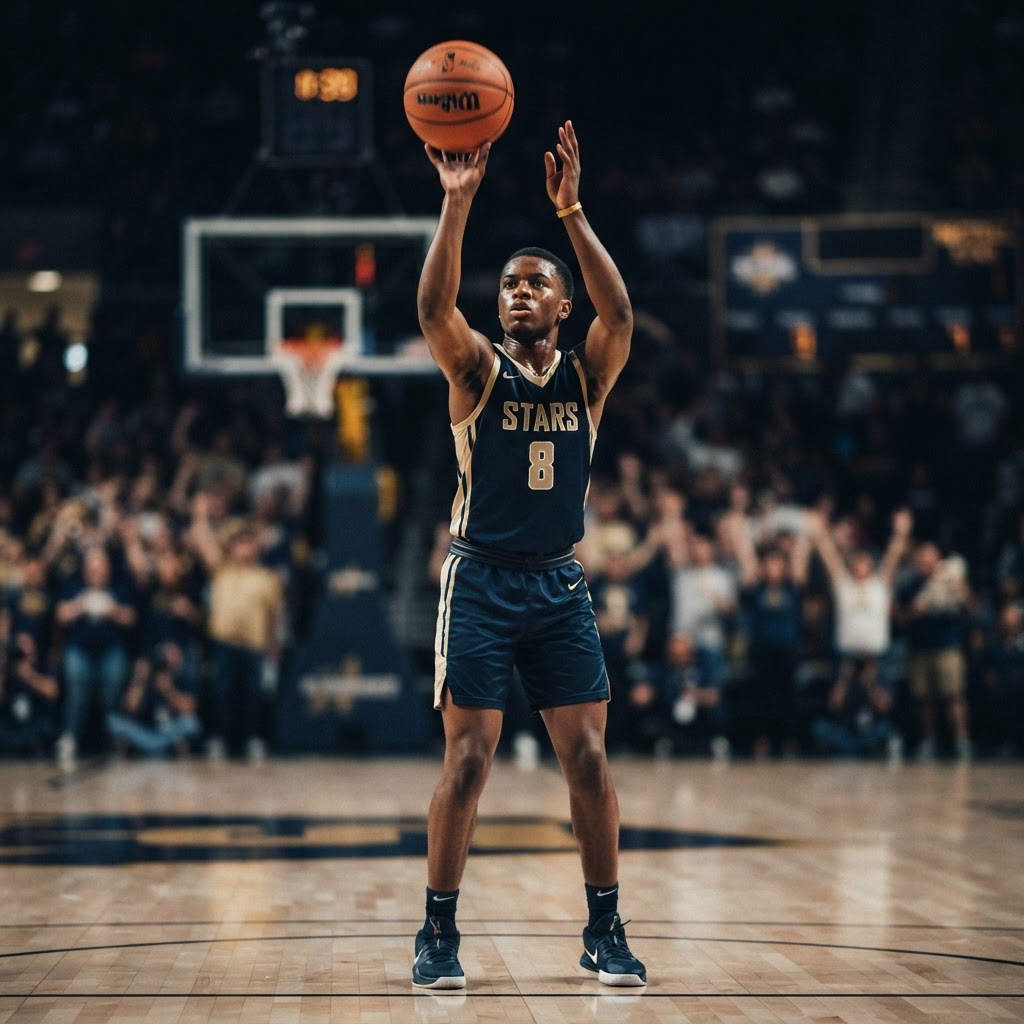
When an athlete's self-worth becomes tied to metrics they cannot fully control — likes, follower growth, brand interest — the psychological footing gets shaky. A slump on the field can feel like a slump in market value. A single critical comment can spiral.
The Social Media Pressure Cooker
Social media has always been a double-edged sword for athletes, but NIL sharpens both edges. Every post is an opportunity and an exposure. Young athletes are learning, often without guidance, how to handle public scrutiny, online criticism, and the comparison trap — all while trying to perform at a high level.
"The same platform that builds an athlete's brand can quietly dismantle their confidence. Managing that tension is now part of the job."
What Families and Athletes Can Do
If you have a student-athlete navigating NIL — or aspiring to — here is how to protect their mental game:
Protect identity. Make sure the athlete knows who they are beyond the brand. Values, relationships, and character are the foundation that survives a follower count fluctuation.
Build a real support team. An agent and a brand manager handle the business side. A sport psychology professional handles the human side. Both matter.
Set boundaries. Social media does not need to be a 24/7 obligation. Scheduled engagement, with protected no-screen windows, preserves both focus and mental health.
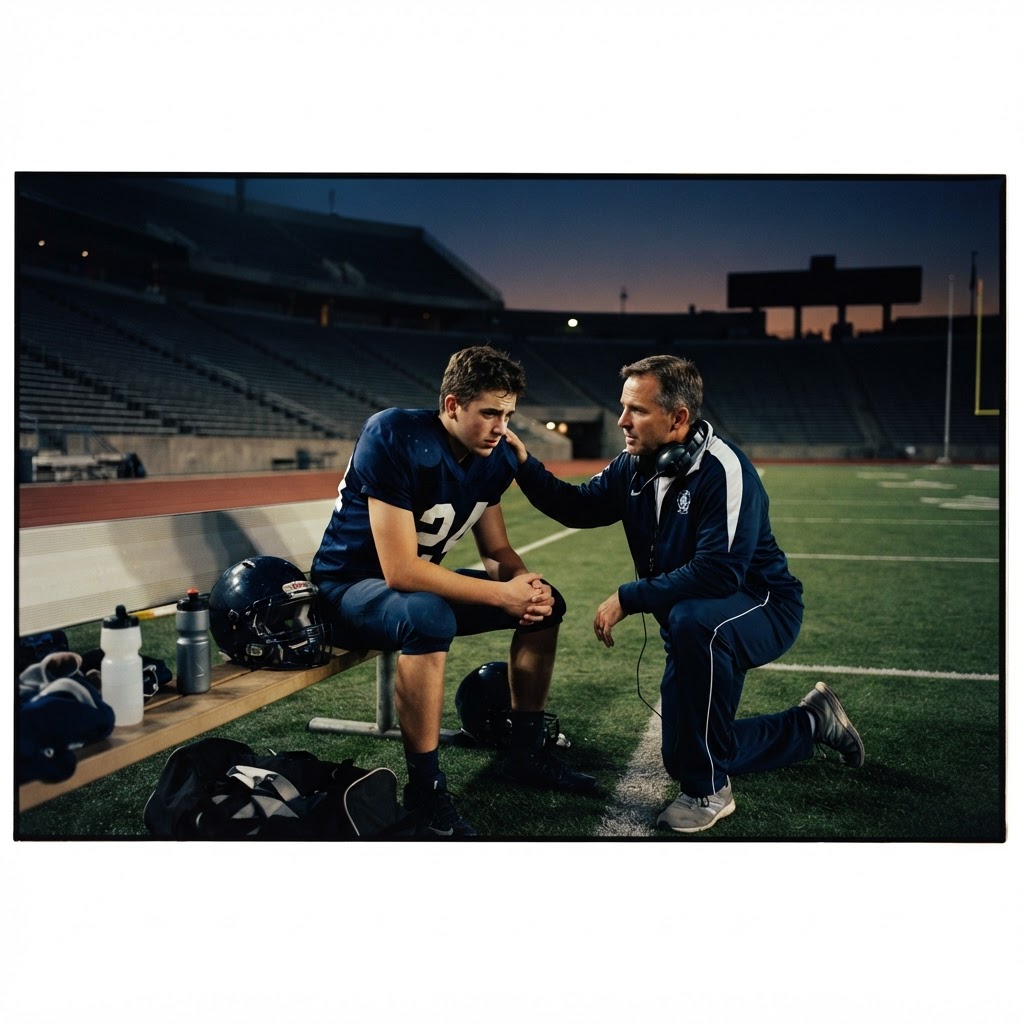
Normalize the struggle. The pressure of NIL is new for everyone. Athletes who can talk openly about the stress — with parents, mentors, or a professional — handle it far better than those who carry it alone.
The Bottom Line
NIL is a genuine good for student-athletes. But like any sudden shift, it has revealed a gap: we are asking young people to manage professional-level pressure with amateur-level emotional tools. Closing that gap — through education, support, and access to sport psychology — is one of the most important conversations in modern athletics.
At In the Zone Sport Psychology, we work with student-athletes to build the mental skills that protect both performance and well-being in the NIL era. Because the best brand an athlete can build is a resilient mind.
Ready to Strengthen Your Athlete's Mental Game?
Connect with a sport psychology professional through secure virtual sessions.
Book a Consultation