
Recognizing and Preventing Burnout in Youth Athletes
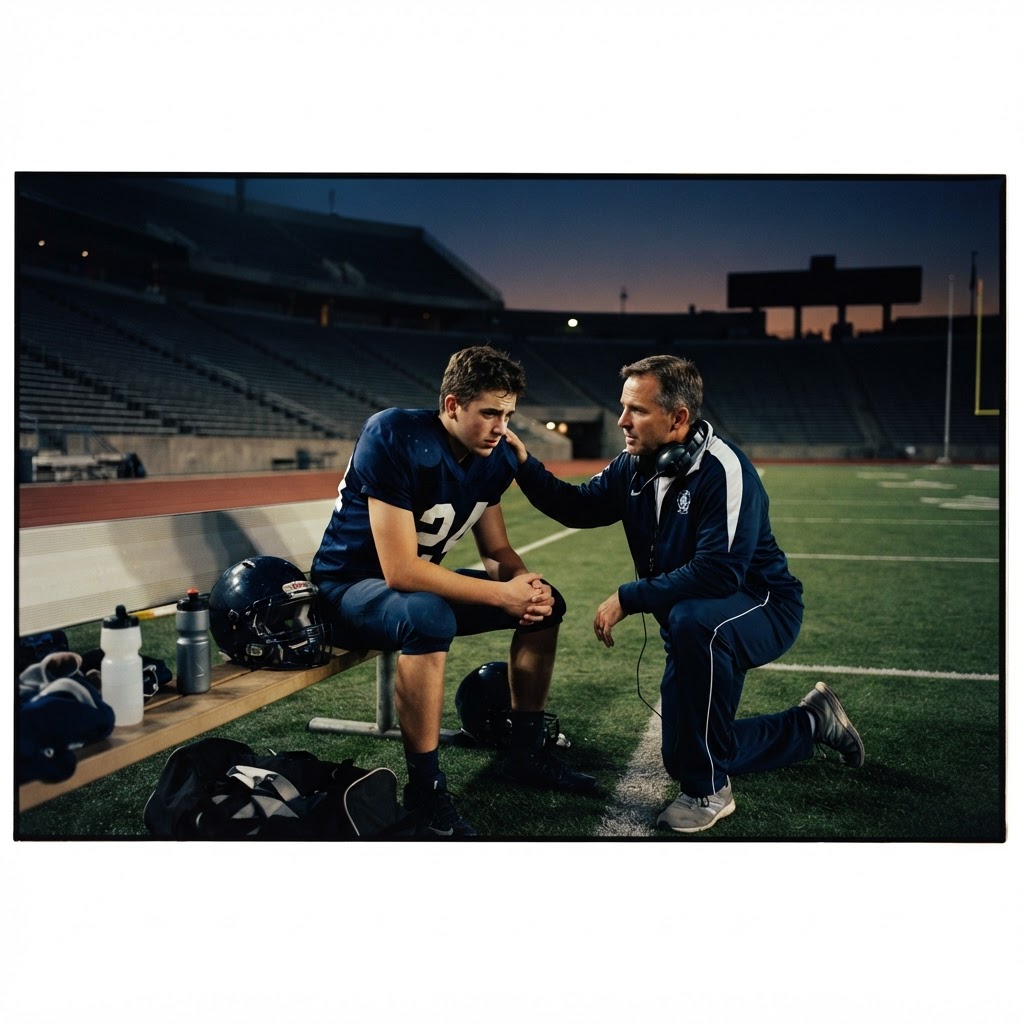
It usually starts subtly. The athlete who used to bound out of the car for practice starts dragging. The kid who lived for game day begins finding reasons to miss. The performance that was climbing suddenly plateaus — and then drops.
Parents notice, but the explanations come easy. "They are just tired." "It is a growth spurt." "Every kid goes through phases." And sometimes that is exactly right. But sometimes, what looks like a phase is the early stage of athletic burnout — a condition that, left unaddressed, can end a young athlete's career and damage their relationship with sport for years.
What Burnout Actually Is
In sports medicine and psychology, burnout is defined as a syndrome of physical and emotional exhaustion, reduced sense of accomplishment, and sport devaluation — meaning the athlete begins to care less about the sport that once defined them. It is not laziness. It is not weakness. It is the predictable result of chronic physical and emotional stress without adequate recovery.
And it is remarkably common. Some studies estimate that a substantial portion of adolescent athletes experience symptoms of burnout at some point in their development, with year-round single-sport specialization being the single biggest risk factor.
The Warning Signs
Burnout rarely arrives as a single dramatic moment. It builds. The earlier it is recognized, the easier it is to reverse. Watch for:
Physical signs
- Persistent fatigue that rest does not fix
- Frequent minor injuries or illness
- Slower recovery and declining performance despite effort
- Changes in sleep or appetite
Emotional and behavioral signs
- Loss of enthusiasm for practice or competition
- Irritability, moodiness, or withdrawal
- Cynicism toward coaches, teammates, or the sport itself
- Expressions of feeling trapped or wanting to quit
Performance signs
- A plateau or decline that does not respond to more training
- Increased anxiety before competition
- Difficulty focusing during games
- "Going through the motions" without engagement
The Specialization Trap
The research is now clear: early sports specialization — committing to a single sport year-round before adolescence — significantly increases the risk of burnout, overuse injury, and eventual dropout. Athletes who sample multiple sports, take genuine off-seasons, and develop a broad athletic foundation are not only healthier; they often outperform specialists in the long run.
If your athlete is playing one sport 11 or 12 months a year with no meaningful break, burnout is not a risk. It is a near-certainty.
Prevention: What Actually Works
Protect recovery. The body and mind grow during rest, not during stress. Build in true off-seasons, rest days, and unstructured play.
Keep joy in the game. Young athletes thrive when sport is still fun. Drills, competition, and pressure without play and autonomy eventually drain the well dry.
Watch the load. Track not just games and practices but travel, school stress, and sleep. Total load is what matters, and it adds up fast.
Listen to the athlete. If your child says they are tired or want a break, take it seriously. The bravest parenting move is sometimes letting them rest.
Normalize mental support. Working with a sport psychology professional is not a sign that something is wrong. It is a tool for sustainable performance — and it is one of the most effective burnout interventions available.
If You Are Already There
If your athlete is showing clear burnout signs, the most important first step is to reduce, not increase, the pressure. A period of genuine rest — physically and emotionally — is often the starting point. From there, rebuilding the relationship with sport, addressing any underlying anxiety or identity issues, and gradually reintroducing structured training with better boundaries can restore both performance and joy.
You do not have to navigate this alone. At In the Zone Sport Psychology, we work with families to recognize, prevent, and recover from burnout — through confidential virtual sessions that meet athletes where they are. Protecting a young athlete's mental health is protecting their future, in sport and beyond.
Ready to Strengthen Your Athlete's Mental Game?
Connect with a sport psychology professional through secure virtual sessions.
Book a Consultation