The Science of Self-Confidence in Sports: What the Research Actually Says
Why Confidence Is the Most Studied Variable in Sport Psychology
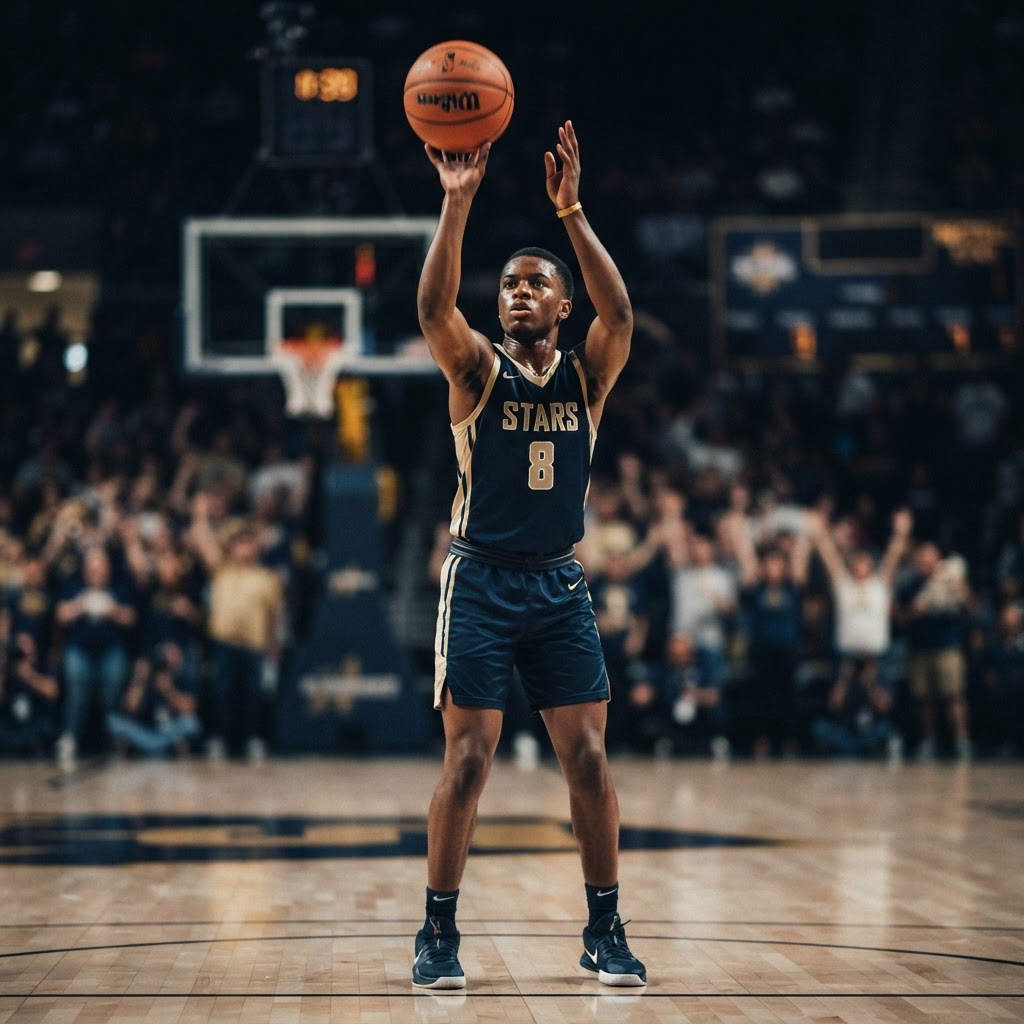
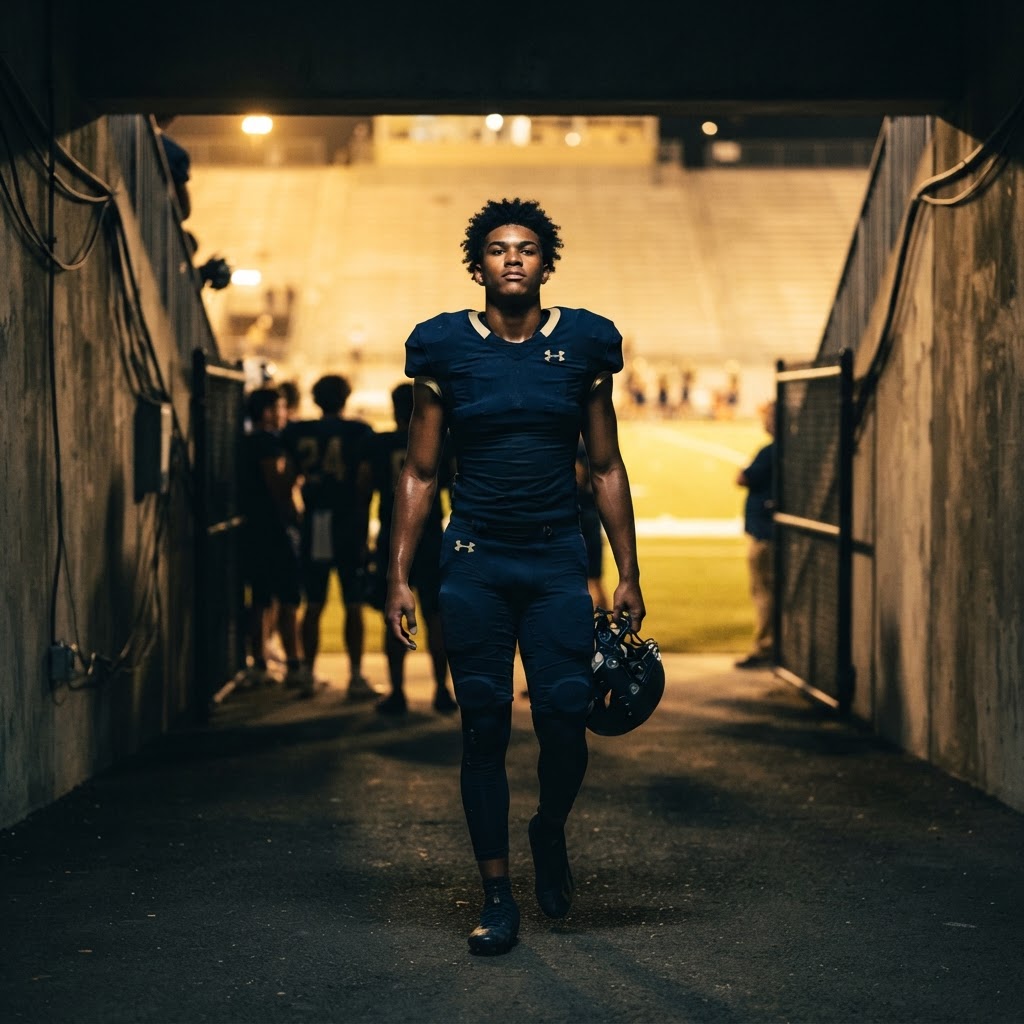
Ask any coach what separates good athletes from great ones, and confidence will come up early in the conversation. But in the world of sport psychology, confidence isn't treated as a vague feeling — it's a measurable, research-backed variable that has been studied for over four decades.
A landmark meta-analysis by Woodman and Hardy (2003), published in the Journal of Sports Sciences, examined the relationship between cognitive anxiety, self-confidence, and sport performance across dozens of studies. Their findings were clear: self-confidence had a stronger, more consistent positive relationship with performance than anxiety had a negative one [1]. In other words, building confidence may matter more than reducing nerves.
The Confidence-Performance Loop
A more recent systematic review and meta-analysis, published in the National Library of Medicine (PMC9180271), revisited the self-confidence–performance relationship and confirmed that the two are positively and meaningfully correlated across sports, skill levels, and competition types [2].
But here's what makes confidence tricky: it operates in a loop. Confident athletes perform better, and better performances build more confidence. The reverse is also true — a string of poor performances can erode self-belief, which then makes poor performances more likely.
What Actually Builds Confidence in Young Athletes?
Research by Vealey, Chase, and Cooley, published in Sport Psychology for Young Athletes (Routledge, 2017), identifies that confidence in young athletes comes from multiple sources [3]:
- Mastery experiences — succeeding at a skill through effort and practice
- Social support — encouragement from coaches, parents, and teammates
- Physical and mental preparation — feeling ready because the work has been done
- Self-regulation — the ability to manage thoughts and emotions under pressure
Notably, the research emphasizes that confidence built primarily on outcomes (winning, scoring) is fragile, while confidence built on mastery and preparation is more resilient — especially important for young athletes still developing their skills.
Confidence vs. Anxiety: Not Opposites
One of the most important insights from the research is that confidence and anxiety are not simply opposites. Craft, Magyar, and Becker (2003), in a meta-analysis published in the Journal of Sport and Exercise Psychology, found that while competitive anxiety does relate to performance, the relationship is complex and depends heavily on how the athlete interprets that anxiety [4].
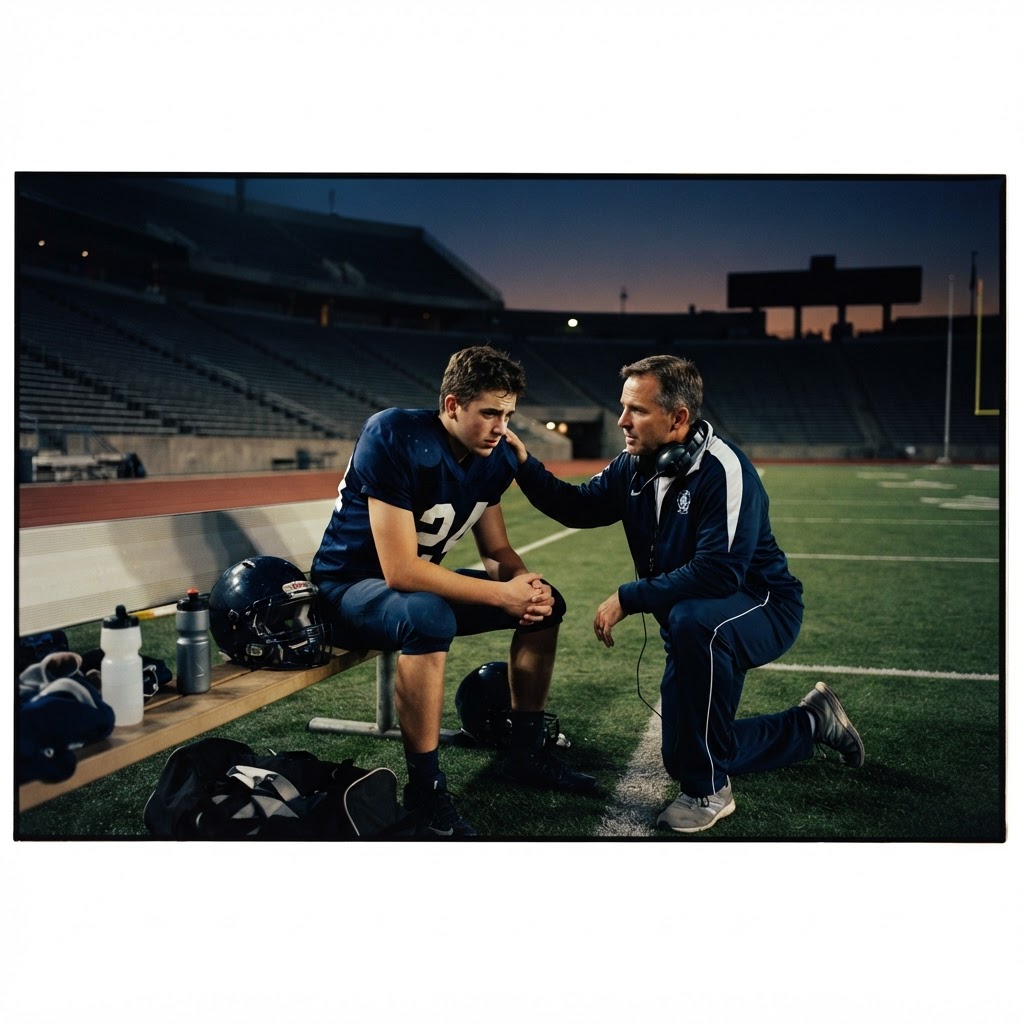
An athlete with high self-confidence may interpret pre-game nerves as excitement and readiness. An athlete with low self-confidence may interpret the same physical sensations as fear and inadequacy. The physiological experience is similar — the psychological framing is entirely different.
Practical Takeaways for Parents and Athletes
- Praise the process, not just the result. Research shows mastery-based confidence is more durable than outcome-based confidence.
- Help athletes reframe nerves. Anxiety interpreted as readiness can enhance performance; anxiety interpreted as threat can undermine it.
- Build preparation rituals. Confidence grows when athletes trust that the work has been done.
- Avoid tying self-worth to performance. Athletes who separate their identity from their results recover faster from setbacks.
At In the Zone Sport Psychology, we help young athletes across California build evidence-based confidence strategies rooted in this research — not just motivational slogans.
References
[1] Woodman, T., & Hardy, L. (2003). The relative impact of cognitive anxiety and self-confidence upon sport performance: A meta-analysis. Journal of Sports Sciences, 21(6), 443–457. https://doi.org/10.1080/0264041031000101809
[2] Revisiting the Self-Confidence and Sport Performance Relationship: A Systematic Review with Meta-Analysis. National Library of Medicine (PMC9180271). https://pmc.ncbi.nlm.nih.gov/articles/PMC9180271/
[3] Vealey, R. S., Chase, M. A., & Cooley, R. (2017). Developing self-confidence in young athletes. In Sport Psychology for Young Athletes. Routledge.
[4] Craft, L. L., Magyar, M., & Becker, B. J. (2003). The relationship between the Competitive State Anxiety Inventory-2 and sport performance: A meta-analysis. Journal of Sport and Exercise Psychology, 25(1), 44–65. https://doi.org/10.1123/jsep.25.1.44
Ready to Strengthen Your Athlete's Mental Game?
Connect with a sport psychology professional through secure virtual sessions.
Book a Consultation